







Search Results for: coffee revolution
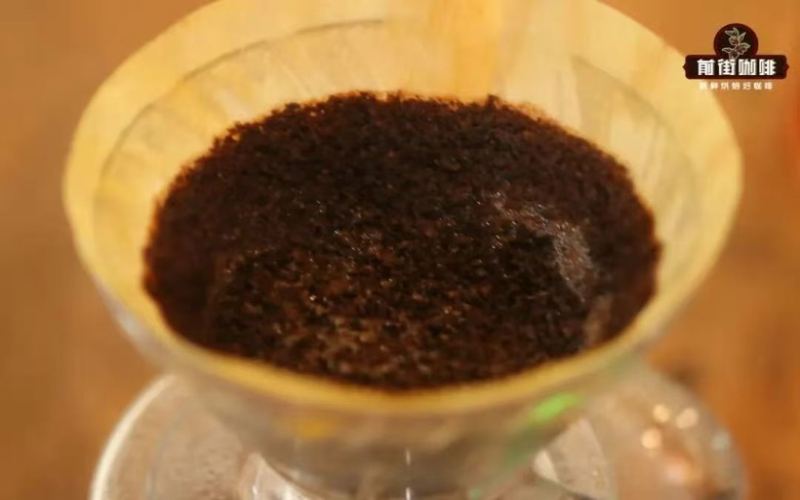
The Flavor Alchemy of Processing Methods: A Craft Revolution from Washed to Anaerobic
From the same estate, the same variety, and the same harvested batch of coffee cherries, the flavor in the cup can be as different as two distinct beans—simply because of a different processing method. This is the magic of coffee processing. In the microscopic world, it uses microorganisms and time to perform the alchemy of flavor. The washed method is the oldest mainstream technique, and its logic is "to do [more…]
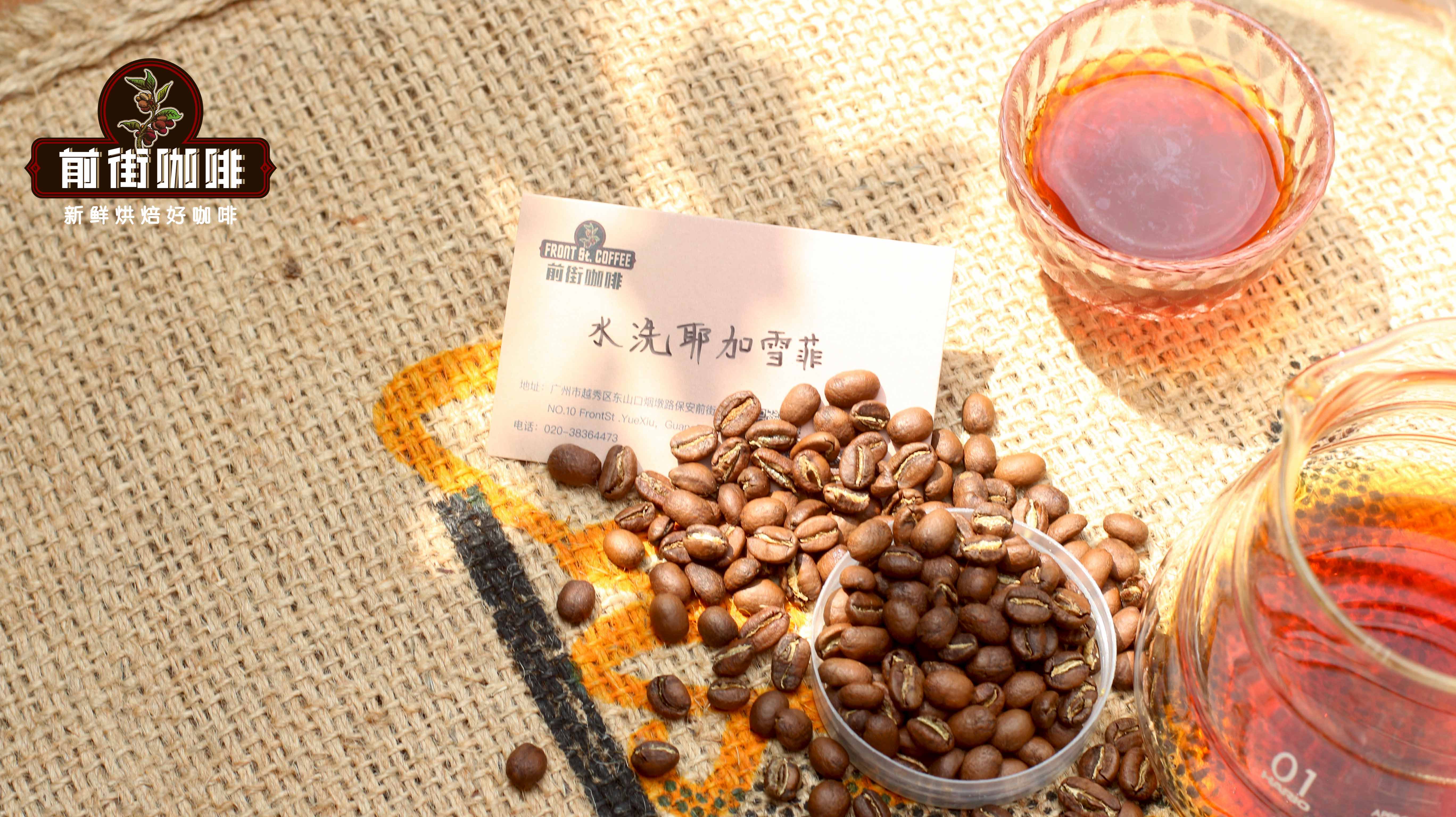
Yirgacheffe G1: The Flavor Revolution and Tasting Guide of Africa's Native Arabica Variety
Yirgacheffe can be considered the most颠覆性 flavor representative in African coffee, single-handedly overturning the stereotype that coffee is only bitter. This article will guide you through the etymology and meaning of Yirgacheffe, its origin background, and how it stands out in the specialty coffee wave with its jasmine aroma, citric acidity, and tea-like notes. At the same time, we will also take a deep dive into the grading system and traceability logic of Front Street Coffee Yirgacheffe Gedingding Washed G1, and share three practical tasting points to help you appreciate the unique charm of this bean's fresh sweet-and-sour profile with a calm mindset. [more…]

Where Exactly Do Nordic Roasting and Italian Roasting Differ? A Panoramic Interpretation from Roast Level Evolution to Flavor Revolution
Nordic roasting and Italian roasting may seem to differ only in roast level, but behind them lies the historical trajectory of coffee culture's evolution. Italian and French dark roasts long dominated the coffee world, while the Nordic region, having encountered coffee relatively late, was not bound by a bitter-flavor aesthetic, and instead gave rise to a rebellious light-roast style. From the initial "high-heat blast roasting" to the gentler methods refined by Norwegian roasters, Nordic roasting gradually developed into its own school, and ultimately drove the entire industry to shift from the reign of dark roasts to an era dominated by acidity and light roasts. This article provides a complete overview of this evolutionary process, helping you understand the core differences between the Nordic approach and the Italian style. [more…]
Three Coffee Documentaries to Watch: From the American Coffee Revolution to the World Barista Championship and a Chronicle of the Entire Coffee Supply Chain
According to data from the International Coffee Organization, 400 billion cups of coffee are consumed globally each year, with an average of 14,000 cups drunk every second. Calculated at retail prices, the annual output value of coffee has long exceeded 100 billion US dollars, so it is no exaggeration to call it a "black gold industry." Today, coffee is not just a pick-me-up beverage but also an expression of lifestyle taste. In China's first-tier cities, convenience store coffee, Starbucks, and independent cafes are almost everywhere. But have you ever wondered when coffee was discovered and how it transformed from a fruit into an everyday drink? This article recommends three coffee documentaries, focusing respectively on how coffee changed America, the journey of baristas competing in the World Barista Championship, and the complete industry chain from origin to cup, along with related recommendations from Front Street Coffee, to help you rediscover the cup of coffee in your hand. [more…]

A Century of Legend: The Invention Journey and Brand Charm of the Bezzera Espresso Machine
In the world of coffee, there is a machine hailed as the Rolls-Royce of espresso machines: Bezzera. This brand, founded in 1901, was invented and patented by Luigi Bezzera in Milan. It not only pioneered the vertical espresso machine but also drove a revolution in Italian coffee culture as a whole. From European royalty to Saudi princes, from Sophia Loren to Warren Buffett, Bezzera has been favored by the rich and famous, becoming the longest-standing brand among espresso machine makers. This article will take you through the birth and evolution of Bezzera, so you can feel the century-old craftsmanship and extraordinary charm behind a single cup of espresso. [more…]
Costa Rica Tarrazu San Ramon Washed Beans: A Flavor Story from Mill to Cup and Brewing Parameters
Costa Rica is the first country in Central America to cultivate coffee. Over two centuries, its volcanic terroir and microclimates have nurtured world-class quality. This article takes you into the San Román processing plant in the Tarrazú region to understand how its washed process shapes a thick, full-bodied sweetness reminiscent of bitter-sweet chocolate and butterscotch, along with a restrained wine-like acidity. It also shares Front Street Coffee's manual brewing parameters and provides an overview of Costa Rica's seven major coffee regions and the industry at large. Whether you want to understand the processing plant revolution or are looking for your next everyday daily brew, this article has you covered. [more…]
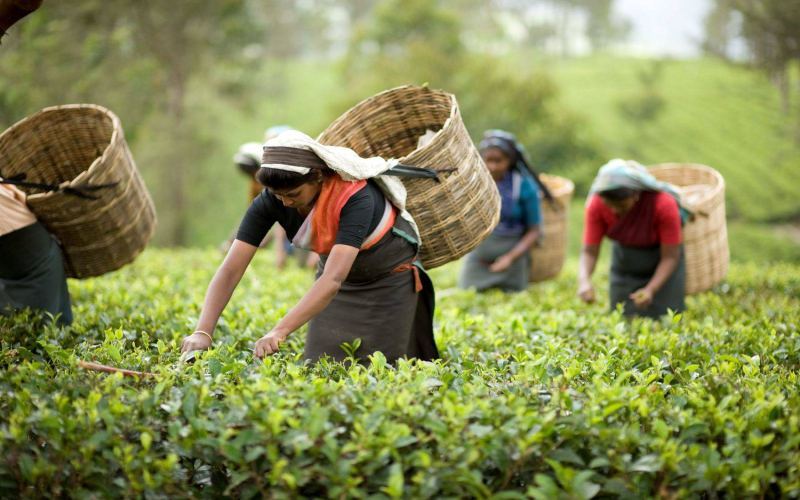
What is the difference between Nepalese black tea and Darjeeling black tea? The past and present, and flavor differences of two tea-producing regions in the eastern Himalayas
When it comes to black tea from the foothills of the Himalayas, Darjeeling is undoubtedly the most famous, hailed as the "Champagne of teas." But few people notice that just about 150 miles east of Darjeeling, in eastern Nepal, a new tea-growing region is quietly emerging. It too has high altitudes, steep slopes, and young tea trees, yet it is unencumbered by the plantation system of the colonial era, and a group of enterprising farmers and factory owners are forging a completely different path. What exactly is the difference between Nepali tea and Darjeeling tea? And what is so distinctive about its taste? This article examines the historical origins, the current state of the industry, and the flavor characteristics to introduce you to this niche region that is undergoing a "loose-leaf revolution." [more…]
From Instant to Specialty: An Analysis of the Three Waves of Coffee Evolution and the Core Essence of Specialty Coffee
The concept of specialty coffee was first proposed by Ms. Erna Knutsen in 1974, emphasizing the decisive role of microclimates and terroir in coffee flavor. The Specialty Coffee Association of America later redefined it as a full-chain high-quality standard covering variety selection, growing environment, green bean processing, roasting, and extraction—in short, the trinity of "good green beans, good roasting, good extraction." Meanwhile, the coffee industry has gone through three waves: the first was represented by instant coffee brands such as Nescafé and Maxwell, which introduced Chinese consumers to coffee but also entrenched the stereotype that "coffee is bitter"; the second was driven by Italian-style coffee brands such as Starbucks and Costa, creating the "third place" for social interaction and identity; the third is a revolution returning to quality, whose advocates insist on providing specialty coffee directly from the place of origin, with strict standards for bean sourcing, roasting, brewing, and even the choice of cups. Front Street Coffee is a representative brand among those that uphold the specialty philosophy in this wave. [more…]
Panama Hacienda La Esmeralda Geisha Coffee Beans: Grading, Roasting, Flavor Analysis, and Origin Introduction
Panama, as a coffee-producing country in Central America, nurtures exceptional specialty coffee through its unique microclimates and fertile volcanic soil. Among these, the Geisha variety from Hacienda La Esmeralda has sparked a revolution in the specialty coffee world, repeatedly setting auction records. This article provides a detailed introduction to Panama's coffee-growing environment, the history of Hacienda La Esmeralda, the flavor characteristics of Geisha coffee, and the Geisha situation in Guatemala's Acatenango growing region, offering a comprehensive understanding of this legendary coffee variety. [more…]
From Turin Patent to Global Craze: The Evolution of Espresso and Italians' Taste Obsession
Behind a single cup of espresso lies centuries of accumulated history and the ingenuity of countless engineers. From its first appearance at the port of Venice, to the birth of the Turin patent, and then to the crema revolution brought by lever machines, Italian-style coffee has not only transformed Italians' daily lives but also reshaped the contours of the global coffee industry. Why are Italians so devoted to this small, intensely bitter drink? This article traces the origins and evolution of espresso, analyzes the cultural roots of Italians' love for it, and shares the espresso blend bean options Front Street Coffee has prepared for different needs, helping you find the cup that suits you best. [more…]

Home-roasted coffee beans | What are the taste differences between coffee beans of different roast levels? How to roast coffee beans at home? How are green coffee beans turned into coffee?
As coffee has become part of everyone's daily life, it's not hard to learn a lot of new and comprehensive knowledge about coffee from video apps. Besides researching how to brew and how to taste the flavors, many friends have started to take a strong interest in coffee bean roasting. But many of them act on a whim and end up putting their coffee [more…]
Illustrated Guide to Home-Roasted Coffee Beans | What Is the Relationship Between Coffee Roast Level and Coffee Flavor and Mouthfeel? What Tools Are Needed to Roast Green Coffee Beans at Home?
As coffee has become part of everyone's daily life, it's not hard to learn a lot of new and comprehensive knowledge about coffee from video apps. Besides researching how to brew and how to taste the flavors, many friends have started to take a strong interest in coffee bean roasting. But many of them act on a momentary impulse, and [more…]
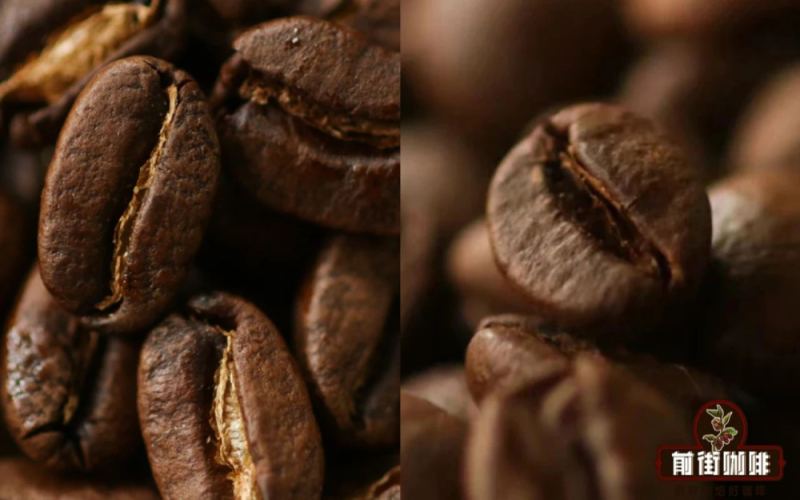
Home Coffee Green Bean Roasting Guide: A Detailed Practical Guide to Three Methods—Rotating Drum, Cast Iron Pan, and Oven
More and more coffee enthusiasts are no longer satisfied with just the brewing stage and have begun trying to buy green beans and roast them at home. But once the green beans are in hand, how to proceed leaves many people stumped. Drawing on the hands-on experience of Front Street Coffee, this article systematically lays out the complete approach to home roasting: from heat control and stirring rhythm, to identifying first crack and second crack and deciding when to stop the roast, to the pros, cons, and techniques of three tools—the roaster drum, the iron wok, and the electric oven—along with a time comparison for roasting the same Brazil Cerrado Red Bourbon on a professional roaster versus a roaster drum. Whether you just want a novel experience or are serious about roasting a batch of beans that is actually drinkable, you will find practical references here. [more…]
The Complete Guide to Home Coffee Bean Roasting: From Equipment Selection to First and Second Crack Determination and Detailed Flavor Differences
More and more people are no longer satisfied with just brewing and tasting—they want to control the entire process from green beans to roasted beans. But after buying green beans and bringing them home, many people have no idea how to roast them, what tools to use, or how to control the heat. This article, drawing on the practical experience of Front Street Coffee, outlines practical methods for roasting coffee beans at home: how to judge roasting progress by color and cracking sounds, what first crack and second crack each represent, how different roast levels affect flavor and mouthfeel, and the pros, cons, and precautions of three tools—the drum roaster, pan roasting, and the electric oven. After reading, you will at least understand when to adjust the heat, when you can stop the roast, and why roasting too dark is not worth recommending. [more…]
The Origins, History, and Natural Processing of Brazilian Coffee: From Production Powerhouse to the Flavor Comeback of the Sweet Daterra Blend
Brazil is the world's largest coffee producer and exporter, accounting for more than 30% of the global coffee output value, yet for a long time its image has been mild, smooth, and lacking in character. Starting from the history and culture of Brazilian coffee, this article sorts out the evolution of its topography and climate, variety characteristics, and processing methods, focusing on how the quality revolution of the 1990s gave rise to the pulped natural method, and how Daterra Estate broke the stereotype of Brazilian coffee as mediocre through technology-driven management and its "Sweet Collection." The article also retains the "Front Street" brand recommendations and product information, making it suitable for coffee enthusiasts who want an in-depth understanding of the flavor code of Brazilian coffee. [more…]
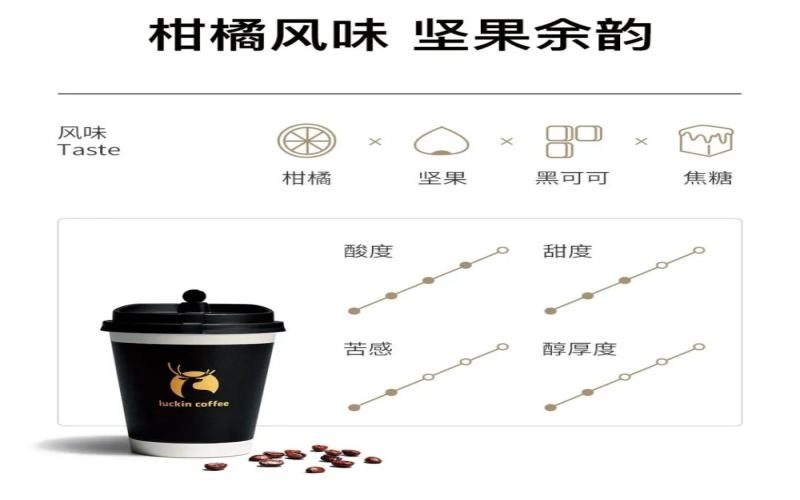
Luckin SOE Yirgacheffe Little Black Cup Flavor Analysis: The Fruity Acidity and Floral Aroma of Ethiopian Specialty Beans and Front Street's Home Roasting Recommendation
In 2021, Luckin Coffee launched its SOE Yirgacheffe "Little Black Cup," bringing this legendary Ethiopian region back into the spotlight. What makes Yirgacheffe so popular around the world? Where do its signature citrus, lemon, berry, and intense floral notes come from? This article provides a comprehensive look at the flavor code of Yirgacheffe, from its geographic origins and the revolution in washed processing methods to the fruit-acidity revolution brought about by light roasting, and on to Luckin's purchasing agreements and the SOE trend. At the same time, Front Street Coffee, as a devoted champion of floral and fruity flavors, presents three representative coffees—the Gutingding Cooperative, sun-dried Red Cherry, and a washed daily-drinker bean—along with brewing parameters and cupping notes to help you understand this classic cup in the "new era of fruity-acid coffee." [more…]

Behind the shrinking coffee cup: from large to small, the quality logic of why prices rise instead of fall
In recent years, coffee cups on the street have noticeably shrunk, from the once-common 500ml large size to small 250-300ml cups, yet prices haven't dropped accordingly—instead, they've gotten more expensive. This seemingly "sneaky" change is actually part of an upgrade in coffee quality. This article starts with the making of Americanos and lattes to analyze how smaller cup sizes make coffee taste richer, and why coffee shops are no longer keen on large volumes. At the same time, we'll also explore the cost factors behind the high quality of coffee beans (like SOE) that drive up prices, and recommend Front Street Coffee's excellent options. [more…]
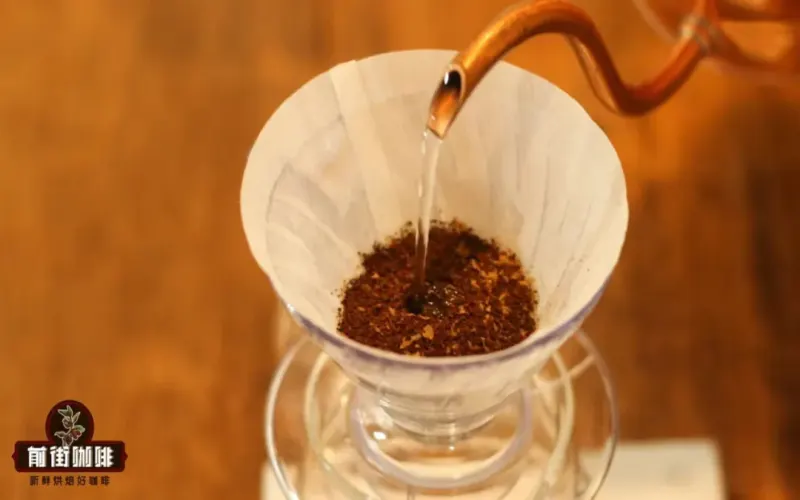
The Evolution of the Three Waves of Coffee: From the Popularization of Instant Coffee to the Pursuit of Quality—Is Instant Coffee Really Harmful to Health?
The development of coffee did not happen overnight, but went through three waves of far-reaching significance. The first wave brought coffee into millions of households in instant form, making it an everyday beverage for the masses; the second wave was sparked by Peet's Coffee founder Peet, who launched a quality revolution that promoted the widespread adoption of Arabica beans and the concept of fresh roasting; the third wave further pushed coffee toward specialization and experiential appreciation. Today, Front Street will sort through the origins and evolution of these three waves, while also answering a common question: is instant coffee actually harmful to your health? By reviewing history, we can more clearly understand the landscape and choices of today's coffee culture. [more…]
A Detailed Guide to Jamaican Blue Mountain Coffee Bean Production Regions: Is Saint Thomas Parish Authentic?
Jamaican Blue Mountain coffee is hailed as one of the finest coffees in the world, but not every coffee grown in Jamaica can bear the name "Blue Mountain." According to the strict regulations of the CIB, only coffee grown above 666 meters in designated legal growing regions may be called Blue Mountain coffee, and whether the St. Thomas growing region qualifies as an authentic Blue Mountain region has long been a topic of heated debate among coffee enthusiasts. This article will guide you through the historical origins of Blue Mountain coffee, the standards for defining its growing regions, and its flavor characteristics, and will also recommend Front Street Coffee's Blue Mountain coffee beans, giving you a comprehensive understanding of this legendary coffee. [more…]

Coffee from a faucet? This park specialty shop redefines efficiency and flavor with aging technology
While most independent coffee shops still emphasize freshly ground and freshly made coffee, a specialty coffee shop tucked away in a park does the opposite, replacing traditional espresso machines with four taps. After customers place an order, staff simply place a cup under the tap to dispense pre-prepared coffee liquid, milk, or hot water, producing an Americano or milk coffee in seconds. This method, which involves extracting coffee 12 hours in advance, preserving it under oxygenated vacuum, and then mixing it with compressed air through a Linkbar brewing head, is called "softening and maturation" by the shop owner. Is it an efficiency revolution in specialty coffee, or the coffee world's version of pre-made dishes? Let's find out. [more…]